


Tickets for AIEi Miami and AIE Europe are live, with first wave speakers announced!
From pioneering software-defined networking to backing many of the most aggressive AI model companies of this cycle, Martin Casado and Sarah Wang sit at the center of the capital, compute, and talent arms race reshaping the tech industry. As partners at a16z investing across infrastructure and growth, they’ve watched venture and growth blur, model labs turn dollars into capability at unprecedented speed, and startups raise nine-figure rounds before monetization.
Martin and Sarah join us to unpack the new financing playbook for AI: why today’s rounds are really compute contracts in disguise, how the “raise → train → ship → raise bigger” flywheel works, and whether foundation model companies can outspend the entire app ecosystem built on top of them. They also share what’s underhyped (boring enterprise software), what’s overheated (talent wars and compensation spirals), and the two radically different futures they see for AI’s market structure.
We discuss:
Martin’s “two futures” fork: infinite fragmentation and new software categories vs. a small oligopoly of general models that consume everything above them
The capital flywheel: how model labs translate funding directly into capability gains, then into revenue growth measured in weeks, not years
Why venture and growth have merged: $100M–$1B hybrid rounds, strategic investors, compute negotiations, and complex deal structures
The AGI vs. product tension: allocating scarce GPUs between long-term research and near-term revenue flywheels
Whether frontier labs can out-raise and outspend the entire app ecosystem built on top of their APIs
Why today’s talent wars ($10M+ comp packages, $B acqui-hires) are breaking early-stage founder math
Cursor as a case study: building up from the app layer while training down into your own models
Why “boring” enterprise software may be the most underinvested opportunity in the AI mania
Hardware and robotics: why the ChatGPT moment hasn’t yet arrived for robots and what would need to change
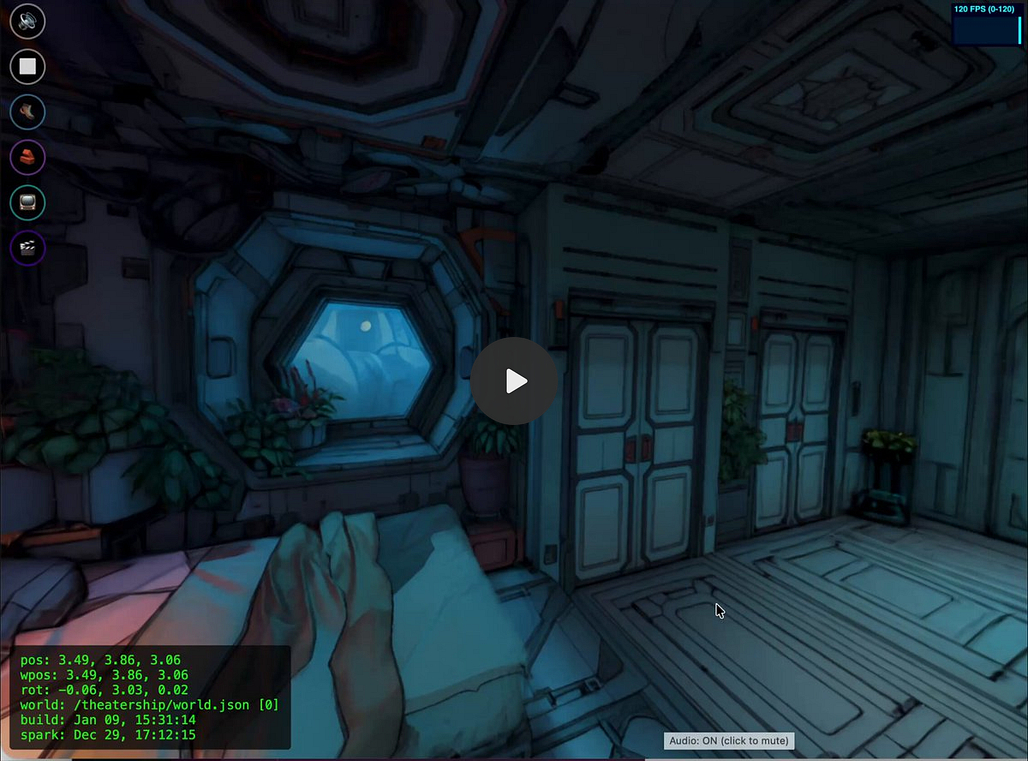
World Labs and generative 3D: bringing the marginal cost of 3D scene creation down by orders of magnitude

Why public AI discourse is often wildly disconnected from boardroom reality and how founders should navigate the noise
Show Notes:
“Where Value Will Accrue in AI: Martin Casado & Sarah Wang” - a16z show
“Jack Altman & Martin Casado on the Future of Venture Capital”
—
Martin Casado
• LinkedIn: https://www.linkedin.com/in/martincasado/
• X: https://x.com/martin_casado
Sarah Wang
• LinkedIn: https://www.linkedin.com/in/sarah-wang-59b96a7
• X: https://x.com/sarahdingwang
a16z
• https://a16z.com/
Timestamps
00:00:00 – Intro: Live from a16z
00:01:20 – The New AI Funding Model: Venture + Growth Collide
00:03:19 – Circular Funding, Demand & “No Dark GPUs”
00:05:24 – Infrastructure vs Apps: The Lines Blur
00:06:24 – The Capital Flywheel: Raise → Train → Ship → Raise Bigger
00:09:39 – Can Frontier Labs Outspend the Entire App Ecosystem?
00:11:24 – Character AI & The AGI vs Product Dilemma
00:14:39 – Talent Wars, $10M Engineers & Founder Anxiety
00:17:33 – What’s Underinvested? The Case for “Boring” Software
00:19:29 – Robotics, Hardware & Why It’s Hard to Win
00:22:42 – Custom ASICs & The $1B Training Run Economics
00:24:23 – American Dynamism, Geography & AI Power Centers
00:26:48 – How AI Is Changing the Investor Workflow (Claude Cowork)
00:29:12 – Two Futures of AI: Infinite Expansion or Oligopoly?
00:32:48 – If You Can Raise More Than Your Ecosystem, You Win
00:34:27 – Are All Tasks AGI-Complete? Coding as the Test Case
00:38:55 – Cursor & The Power of the App Layer
00:44:05 – World Labs, Spatial Intelligence & 3D Foundation Models
00:47:20 – Thinking Machines, Founder Drama & Media Narratives
00:52:30 – Where Long-Term Power Accrues in the AI Stack
Transcript
Latent.Space - Inside AI’s $10B+ Capital Flywheel — Martin Casado & Sarah Wang of a16z
[00:00:00] Welcome to Latent Space (Live from a16z) + Meet the Guests
[00:00:00] Alessio: Hey everyone. Welcome to the Latent Space podcast, live from a 16 z. Uh, this is Alessio founder Kernel Lance, and I’m joined by Twix, editor of Latent Space.
[00:00:08] swyx: Hey, hey, hey. Uh, and we’re so glad to be on with you guys. Also a top AI podcast, uh, Martin Cado and Sarah Wang. Welcome, very
[00:00:16] Martin Casado: happy to be here and welcome.
[00:00:17] swyx: Yes, uh, we love this office. We love what you’ve done with the place. Uh, the new logo is everywhere now. It’s, it’s still getting, takes a while to get used to, but it reminds me of like sort of a callback to a more ambitious age, which I think is kind of
[00:00:31] Martin Casado: definitely makes a statement.
[00:00:33] swyx: Yeah.
[00:00:34] Martin Casado: Not quite sure what that statement is, but it makes a statement.
[00:00:37] swyx: Uh, Martin, I go back with you to Netlify.
[00:00:40] Martin Casado: Yep.
[00:00:40] swyx: Uh, and, uh, you know, you create a software defined networking and all, all that stuff people can read up on your background. Yep. Sarah, I’m newer to you. Uh, you, you sort of started working together on AI infrastructure stuff.
[00:00:51] Sarah Wang: That’s right. Yeah. Seven, seven years ago now.
[00:00:53] Martin Casado: Best growth investor in the entire industry.
[00:00:55] swyx: Oh, say
[00:00:56] Martin Casado: more hands down there is, there is. [00:01:00] I mean, when it comes to AI companies, Sarah, I think has done the most kind of aggressive, um, investment thesis around AI models, right? So, worked for Nom Ja, Mira Ia, FEI Fey, and so just these frontier, kind of like large AI models.
[00:01:15] I think, you know, Sarah’s been the, the broadest investor. Is that fair?
[00:01:20] Venture vs. Growth in the Frontier Model Era
[00:01:20] Sarah Wang: No, I, well, I was gonna say, I think it’s been a really interesting tag, tag team actually just ‘cause the, a lot of these big C deals, not only are they raising a lot of money, um, it’s still a tech founder bet, which obviously is inherently early stage.
[00:01:33] But the resources,
[00:01:36] Martin Casado: so many, I
[00:01:36] Sarah Wang: was gonna say the resources one, they just grow really quickly. But then two, the resources that they need day one are kind of growth scale. So I, the hybrid tag team that we have is. Quite effective, I think,
[00:01:46] Martin Casado: what is growth these days? You know, you don’t wake up if it’s less than a billion or like, it’s, it’s actually, it’s actually very like, like no, it’s a very interesting time in investing because like, you know, take like the character around, right?
[00:01:59] These tend to [00:02:00] be like pre monetization, but the dollars are large enough that you need to have a larger fund and the analysis. You know, because you’ve got lots of users. ‘cause this stuff has such high demand requires, you know, more of a number sophistication. And so most of these deals, whether it’s US or other firms on these large model companies, are like this hybrid between venture growth.
[00:02:18] Sarah Wang: Yeah. Total. And I think, you know, stuff like BD for example, you wouldn’t usually need BD when you were seed stage trying to get market biz Devrel. Biz Devrel, exactly. Okay. But like now, sorry, I’m,
[00:02:27] swyx: I’m not familiar. What, what, what does biz Devrel mean for a venture fund? Because I know what biz Devrel means for a company.
[00:02:31] Sarah Wang: Yeah.
[00:02:32] Compute Deals, Strategics, and the ‘Circular Funding’ Question
[00:02:32] Sarah Wang: You know, so a, a good example is, I mean, we talk about buying compute, but there’s a huge negotiation involved there in terms of, okay, do you get equity for the compute? What, what sort of partner are you looking at? Is there a go-to market arm to that? Um, and these are just things on this scale, hundreds of millions, you know, maybe.
[00:02:50] Six months into the inception of a company, you just wouldn’t have to negotiate these deals before.
[00:02:54] Martin Casado: Yeah. These large rounds are very complex now. Like in the past, if you did a series A [00:03:00] or a series B, like whatever, you’re writing a 20 to a $60 million check and you call it a day. Now you normally have financial investors and strategic investors, and then the strategic portion always still goes with like these kind of large compute contracts, which can take months to do.
[00:03:13] And so it’s, it’s very different ties. I’ve been doing this for 10 years. It’s the, I’ve never seen anything like this.
[00:03:19] swyx: Yeah. Do you have worries about the circular funding from so disease strategics?
[00:03:24] Martin Casado: I mean, listen, as long as the demand is there, like the demand is there. Like the problem with the internet is the demand wasn’t there.
[00:03:29] swyx: Exactly. All right. This, this is like the, the whole pyramid scheme bubble thing, where like, as long as you mark to market on like the notional value of like, these deals, fine, but like once it starts to chip away, it really Well
[00:03:41] Martin Casado: no, like as, as, as, as long as there’s demand. I mean, you know, this, this is like a lot of these sound bites have already become kind of cliches, but they’re worth saying it.
[00:03:47] Right? Like during the internet days, like we were. Um, raising money to put fiber in the ground that wasn’t used. And that’s a problem, right? Because now you actually have a supply overhang.
[00:03:58] swyx: Mm-hmm.
[00:03:59] Martin Casado: And even in the, [00:04:00] the time of the, the internet, like the supply and, and bandwidth overhang, even as massive as it was in, as massive as the crash was only lasted about four years.
[00:04:09] But we don’t have a supply overhang. Like there’s no dark GPUs, right? I mean, and so, you know, circular or not, I mean, you know, if, if someone invests in a company that, um. You know, they’ll actually use the GPUs. And on the other side of it is the, is the ask for customer. So I I, I think it’s a different time.
[00:04:25] Sarah Wang: I think the other piece, maybe just to add onto this, and I’m gonna quote Martine in front of him, but this is probably also a unique time in that. For the first time, you can actually trace dollars to outcomes. Yeah, right. Provided that scaling laws are, are holding, um, and capabilities are actually moving forward.
[00:04:40] Because if you can put translate dollars into capabilities, uh, a capability improvement, there’s demand there to martine’s point. But if that somehow breaks, you know, obviously that’s an important assumption in this whole thing to make it work. But you know, instead of investing dollars into sales and marketing, you’re, you’re investing into r and d to get to the capability, um, you know, increase.
[00:04:59] And [00:05:00] that’s sort of been the demand driver because. Once there’s an unlock there, people are willing to pay for it.
[00:05:05] Alessio: Yeah.
[00:05:06] Blurring Lines: Models as Infra + Apps, and the New Fundraising Flywheel
[00:05:06] Alessio: Is there any difference in how you built the portfolio now that some of your growth companies are, like the infrastructure of the early stage companies, like, you know, OpenAI is now the same size as some of the cloud providers were early on.
[00:05:16] Like what does that look like? Like how much information can you feed off each other between the, the two?
[00:05:24] Martin Casado: There’s so many lines that are being crossed right now, or blurred. Right. So we already talked about venture and growth. Another one that’s being blurred is between infrastructure and apps, right? So like what is a model company?
[00:05:35] Mm-hmm. Like, it’s clearly infrastructure, right? Because it’s like, you know, it’s doing kind of core r and d. It’s a horizontal platform, but it’s also an app because it’s um, uh, touches the users directly. And then of course. You know, the, the, the growth of these is just so high. And so I actually think you’re just starting to see a, a, a new financing strategy emerge and, you know, we’ve had to adapt as a result of that.
[00:05:59] And [00:06:00] so there’s been a lot of changes. Um, you’re right that these companies become platform companies very quickly. You’ve got ecosystem build out. So none of this is necessarily new, but the timescales of which it’s happened is pretty phenomenal. And the way we’d normally cut lines before is blurred a little bit, but.
[00:06:16] But that, that, that said, I mean, a lot of it also just does feel like things that we’ve seen in the past, like cloud build out the internet build out as well.
[00:06:24] Sarah Wang: Yeah. Um, yeah, I think it’s interesting, uh, I don’t know if you guys would agree with this, but it feels like the emerging strategy is, and this builds off of your other question, um.
[00:06:33] You raise money for compute, you pour that or you, you pour the money into compute, you get some sort of breakthrough. You funnel the breakthrough into your vertically integrated application. That could be chat GBT, that could be cloud code, you know, whatever it is. You massively gain share and get users.
[00:06:49] Maybe you’re even subsidizing at that point. Um, depending on your strategy. You raise money at the peak momentum and then you repeat, rinse and repeat. Um, and so. And that wasn’t [00:07:00] true even two years ago, I think. Mm-hmm. And so it’s sort of to your, just tying it to fundraising strategy, right? There’s a, and hiring strategy.
[00:07:07] All of these are tied, I think the lines are blurring even more today where everyone is, and they, but of course these companies all have API businesses and so they’re these, these frenemy lines that are getting blurred in that a lot of, I mean, they have billions of dollars of API revenue, right? And so there are customers there.
[00:07:23] But they’re competing on the app layer.
[00:07:24] Martin Casado: Yeah. So this is a really, really important point. So I, I would say for sure, venture and growth, that line is blurry app and infrastructure. That line is blurry. Um, but I don’t think that that changes our practice so much. But like where the very open questions are like, does this layer in the same way.
[00:07:43] Compute traditionally has like during the cloud is like, you know, like whatever, somebody wins one layer, but then another whole set of companies wins another layer. But that might not, might not be the case here. It may be the case that you actually can’t verticalize on the token string. Like you can’t build an app like it, it necessarily goes down just because there are no [00:08:00] abstractions.
[00:08:00] So those are kinda the bigger existential questions we ask. Another thing that is very different this time than in the history of computer sciences is. In the past, if you raised money, then you basically had to wait for engineering to catch up. Which famously doesn’t scale like the mythical mammoth. It take a very long time.
[00:08:18] But like that’s not the case here. Like a model company can raise money and drop a model in a, in a year, and it’s better, right? And, and it does it with a team of 20 people or 10 people. So this type of like money entering a company and then producing something that has demand and growth right away and using that to raise more money is a very different capital flywheel than we’ve ever seen before.
[00:08:39] And I think everybody’s trying to understand what the consequences are. So I think it’s less about like. Big companies and growth and this, and more about these more systemic questions that we actually don’t have answers to.
[00:08:49] Alessio: Yeah, like at Kernel Labs, one of our ideas is like if you had unlimited money to spend productively to turn tokens into products, like the whole early stage [00:09:00] market is very different because today you’re investing X amount of capital to win a deal because of price structure and whatnot, and you’re kind of pot committing.
[00:09:07] Yeah. To a certain strategy for a certain amount of time. Yeah. But if you could like iteratively spin out companies and products and just throw, I, I wanna spend a million dollar of inference today and get a product out tomorrow.
[00:09:18] swyx: Yeah.
[00:09:19] Alessio: Like, we should get to the point where like the friction of like token to product is so low that you can do this and then you can change the Right, the early stage venture model to be much more iterative.
[00:09:30] And then every round is like either 100 k of inference or like a hundred million from a 16 Z. There’s no, there’s no like $8 million C round anymore. Right.
[00:09:38] When Frontier Labs Outspend the Entire App Ecosystem
[00:09:38] Martin Casado: But, but, but, but there’s a, there’s a, the, an industry structural question that we don’t know the answer to, which involves the frontier models, which is, let’s take.
[00:09:48] Anthropic it. Let’s say Anthropic has a state-of-the-art model that has some large percentage of market share. And let’s say that, uh, uh, uh, you know, uh, a company’s building smaller models [00:10:00] that, you know, use the bigger model in the background, open 4.5, but they add value on top of that. Now, if Anthropic can raise three times more.
[00:10:10] Every subsequent round, they probably can raise more money than the entire app ecosystem that’s built on top of it. And if that’s the case, they can expand beyond everything built on top of it. It’s like imagine like a star that’s just kind of expanding, so there could be a systemic. There could be a, a systemic situation where the soda models can raise so much money that they can out pay anybody that bills on top of ‘em, which would be something I don’t think we’ve ever seen before just because we were so bottlenecked in engineering, and this is a very open question.
[00:10:41] swyx: Yeah. It’s, it is almost like bitter lesson applied to the startup industry.
[00:10:45] Martin Casado: Yeah, a hundred percent. It literally becomes an issue of like raise capital, turn that directly into growth. Use that to raise three times more. Exactly. And if you can keep doing that, you literally can outspend any company that’s built the, not any company.
[00:10:57] You can outspend the aggregate of companies on top of [00:11:00] you and therefore you’ll necessarily take their share, which is crazy.
[00:11:02] swyx: Would you say that kind of happens in character? Is that the, the sort of postmortem on. What happened?
[00:11:10] Sarah Wang: Um,
[00:11:10] Martin Casado: no.
[00:11:12] Sarah Wang: Yeah, because I think so,
[00:11:13] swyx: I mean the actual postmortem is, he wanted to go back to Google.
[00:11:15] Exactly. But like
[00:11:18] Martin Casado: that’s another difference that
[00:11:19] Sarah Wang: you said
[00:11:21] Martin Casado: it. We should talk, we should actually talk about that.
[00:11:22] swyx: Yeah,
[00:11:22] Sarah Wang: that’s
[00:11:23] swyx: Go for it. Take it. Take,
[00:11:23] Sarah Wang: yeah.
[00:11:24] Character.AI, Founder Goals (AGI vs Product), and GPU Allocation Tradeoffs
[00:11:24] Sarah Wang: I was gonna say, I think, um. The, the, the character thing raises actually a different issue, which actually the Frontier Labs will face as well. So we’ll see how they handle it.
[00:11:34] But, um, so we invest in character in January, 2023, which feels like eons ago, I mean, three years ago. Feels like lifetimes ago. But, um, and then they, uh, did the IP licensing deal with Google in August, 2020. Uh, four. And so, um, you know, at the time, no, you know, he’s talked publicly about this, right? He wanted to Google wouldn’t let him put out products in the world.
[00:11:56] That’s obviously changed drastically. But, um, he went to go do [00:12:00] that. Um, but he had a product attached. The goal was, I mean, it’s Nome Shair, he wanted to get to a GI. That was always his personal goal. But, you know, I think through collecting data, right, and this sort of very human use case, that the character product.
[00:12:13] Originally was and still is, um, was one of the vehicles to do that. Um, I think the real reason that, you know. I if you think about the, the stress that any company feels before, um, you ultimately going one way or the other is sort of this a GI versus product. Um, and I think a lot of the big, I think, you know, opening eyes, feeling that, um, anthropic if they haven’t started, you know, felt it, certainly given the success of their products, they may start to feel that soon.
[00:12:39] And the real. I think there’s real trade-offs, right? It’s like how many, when you think about GPUs, that’s a limited resource. Where do you allocate the GPUs? Is it toward the product? Is it toward new re research? Right? Is it, or long-term research, is it toward, um, n you know, near to midterm research? And so, um, in a case where you’re resource constrained, um, [00:13:00] of course there’s this fundraising game you can play, right?
[00:13:01] But the fund, the market was very different back in 2023 too. Um. I think the best researchers in the world have this dilemma of, okay, I wanna go all in on a GI, but it’s the product usage revenue flywheel that keeps the revenue in the house to power all the GPUs to get to a GI. And so it does make, um, you know, I think it sets up an interesting dilemma for any startup that has trouble raising up until that level, right?
[00:13:27] And certainly if you don’t have that progress, you can’t continue this fly, you know, fundraising flywheel.
[00:13:32] Martin Casado: I would say that because, ‘cause we’re keeping track of all of the things that are different, right? Like, you know, venture growth and uh, app infra and one of the ones is definitely the personalities of the founders.
[00:13:45] It’s just very different this time I’ve been. Been doing this for a decade and I’ve been doing startups for 20 years. And so, um, I mean a lot of people start this to do a GI and we’ve never had like a unified North star that I recall in the same [00:14:00] way. Like people built companies to start companies in the past.
[00:14:02] Like that was what it was. Like I would create an internet company, I would create infrastructure company, like it’s kind of more engineering builders and this is kind of a different. You know, mentality. And some companies have harnessed that incredibly well because their direction is so obviously on the path to what somebody would consider a GI, but others have not.
[00:14:20] And so like there is always this tension with personnel. And so I think we’re seeing more kind of founder movement.
[00:14:27] Sarah Wang: Yeah.
[00:14:27] Martin Casado: You know, as a fraction of founders than we’ve ever seen. I mean, maybe since like, I don’t know the time of like Shockly and the trade DUR aid or something like that. Way back in the beginning of the industry, I, it’s a very, very.
[00:14:38] Unusual time of personnel.
[00:14:39] Sarah Wang: Totally.
[00:14:40] Talent Wars, Mega-Comp, and the Rise of Acquihire M&A
[00:14:40] Sarah Wang: And it, I think it’s exacerbated by the fact that talent wars, I mean, every industry has talent wars, but not at this magnitude, right? No. Yeah. Very rarely can you see someone get poached for $5 billion. That’s hard to compete with. And then secondly, if you’re a founder in ai, you could fart and it would be on the front page of, you know, the information these days.
[00:14:59] And so there’s [00:15:00] sort of this fishbowl effect that I think adds to the deep anxiety that, that these AI founders are feeling.
[00:15:06] Martin Casado: Hmm.
[00:15:06] swyx: Uh, yes. I mean, just on, uh, briefly comment on the founder, uh, the sort of. Talent wars thing. I feel like 2025 was just like a blip. Like I, I don’t know if we’ll see that again.
[00:15:17] ‘cause meta built the team. Like, I don’t know if, I think, I think they’re kind of done and like, who’s gonna pay more than meta? I, I don’t know.
[00:15:23] Martin Casado: I, I agree. So it feels so, it feel, it feels this way to me too. It’s like, it is like, basically Zuckerberg kind of came out swinging and then now he’s kind of back to building.
[00:15:30] Yeah,
[00:15:31] swyx: yeah. You know, you gotta like pay up to like assemble team to rush the job, whatever. But then now, now you like you, you made your choices and now they got a ship.
[00:15:38] Martin Casado: I mean, the, the o other side of that is like, you know, like we’re, we’re actually in the job hiring market. We’ve got 600 people here. I hire all the time.
[00:15:44] I’ve got three open recs if anybody’s interested, that’s listening to this for investor. Yeah, on, on the team, like on the investing side of the team, like, and, um, a lot of the people we talk to have acting, you know, active, um, offers for 10 million a year or something like that. And like, you know, and we pay really, [00:16:00] really well.
[00:16:00] And just to see what’s out on the market is really, is really remarkable. And so I would just say it’s actually, so you’re right, like the really flashy one, like I will get someone for, you know, a billion dollars, but like the inflated, um, uh, trickles down. Yeah, it is still very active today. I mean,
[00:16:18] Sarah Wang: yeah, you could be an L five and get an offer in the tens of millions.
[00:16:22] Okay. Yeah. Easily. Yeah. It’s so I think you’re right that it felt like a blip. I hope you’re right. Um, but I think it’s been, the steady state is now, I think got pulled up. Yeah. Yeah. I’ll pull up for
[00:16:31] Martin Casado: sure. Yeah.
[00:16:32] Alessio: Yeah. And I think that’s breaking the early stage founder math too. I think before a lot of people would be like, well, maybe I should just go be a founder instead of like getting paid.
[00:16:39] Yeah. 800 KA million at Google. But if I’m getting paid. Five, 6 million. That’s different but
[00:16:45] Martin Casado: on. But on the other hand, there’s more strategic money than we’ve ever seen historically, right? Mm-hmm. And so, yep. The economics, the, the, the, the calculus on the economics is very different in a number of ways. And, uh, it’s crazy.
[00:16:58] It’s cra it’s causing like a, [00:17:00] a, a, a ton of change in confusion in the market. Some very positive, sub negative, like, so for example, the other side of the, um. The co-founder, like, um, acquisition, you know, mark Zuckerberg poaching someone for a lot of money is like, we were actually seeing historic amount of m and a for basically acquihires, right?
[00:17:20] That you like, you know, really good outcomes from a venture perspective that are effective acquihires, right? So I would say it’s probably net positive from the investment standpoint, even though it seems from the headlines to be very disruptive in a negative way.
[00:17:33] Alessio: Yeah.
[00:17:33] What’s Underfunded: Boring Software, Robotics Skepticism, and Custom Silicon Economics
[00:17:33] Alessio: Um, let’s talk maybe about what’s not being invested in, like maybe some interesting ideas that you would see more people build or it, it seems in a way, you know, as ycs getting more popular, it’s like access getting more popular.
[00:17:47] There’s a startup school path that a lot of founders take and they know what’s hot in the VC circles and they know what gets funded. Uh, and there’s maybe not as much risk appetite for. Things outside of that. Um, I’m curious if you feel [00:18:00] like that’s true and what are maybe, uh, some of the areas, uh, that you think are under discussed?
[00:18:06] Martin Casado: I mean, I actually think that we’ve taken our eye off the ball in a lot of like, just traditional, you know, software companies. Um, so like, I mean. You know, I think right now there’s almost a barbell, like you’re like the hot thing on X, you’re deep tech.
[00:18:21] swyx: Mm-hmm.
[00:18:22] Martin Casado: Right. But I, you know, I feel like there’s just kind of a long, you know, list of like good.
[00:18:28] Good companies that will be around for a long time in very large markets. Say you’re building a database, you know, say you’re building, um, you know, kind of monitoring or logging or tooling or whatever. There’s some good companies out there right now, but like, they have a really hard time getting, um, the attention of investors.
[00:18:43] And it’s almost become a meme, right? Which is like, if you’re not basically growing from zero to a hundred in a year, you’re not interesting, which is just, is the silliest thing to say. I mean, think of yourself as like an introvert person, like, like your personal money, right? Mm-hmm. So. Your personal money, will you put it in the stock market at 7% or you put it in this company growing five x in a very large [00:19:00] market?
[00:19:00] Of course you can put it in the company five x. So it’s just like we say these stupid things, like if you’re not going from zero to a hundred, but like those, like who knows what the margins of those are mean. Clearly these are good investments. True for anybody, right? True. Like our LPs want whatever.
[00:19:12] Three x net over, you know, the life cycle of a fund, right? So a, a company in a big market growing five X is a great investment. We’d, everybody would be happy with these returns, but we’ve got this kind of mania on these, these strong growths. And so I would say that that’s probably the most underinvested sector.
[00:19:28] Right now.
[00:19:29] swyx: Boring software, boring enterprise software.
[00:19:31] Martin Casado: Traditional. Really good company.
[00:19:33] swyx: No, no AI here.
[00:19:34] Martin Casado: No. Like boring. Well, well, the AI of course is pulling them into use cases. Yeah, but that’s not what they’re, they’re not on the token path, right? Yeah. Let’s just say that like they’re software, but they’re not on the token path.
[00:19:41] Like these are like they’re great investments from any definition except for like random VC on Twitter saying VC on x, saying like, it’s not growing fast enough. What do you
[00:19:52] Sarah Wang: think? Yeah, maybe I’ll answer a slightly different. Question, but adjacent to what you asked, um, which is maybe an area that we’re not, uh, investing [00:20:00] right now that I think is a question and we’re spending a lot of time in regardless of whether we pull the trigger or not.
[00:20:05] Um, and it would probably be on the hardware side, actually. Robotics, right? And the robotics side. Robotics. Right. Which is, it’s, I don’t wanna say that it’s not getting funding ‘cause it’s clearly, uh, it’s, it’s sort of non-consensus to almost not invest in robotics at this point. But, um, we spent a lot of time in that space and I think for us, we just haven’t seen the chat GPT moment.
[00:20:22] Happen on the hardware side. Um, and the funding going into it feels like it’s already. Taking that for granted.
[00:20:30] Martin Casado: Yeah. Yeah. But we also went through the drone, you know, um, there’s a zip line right, right out there. What’s that? Oh yeah, there’s a zip line. Yeah. What the drone, what the av And like one of the takeaways is when it comes to hardware, um, most companies will end up verticalizing.
[00:20:46] Like if you’re. If you’re investing in a robot company for an A for agriculture, you’re investing in an ag company. ‘cause that’s the competition and that’s surprising. And that’s supply chain. And if you’re doing it for mining, that’s mining. And so the ad team does a lot of that type of stuff ‘cause they actually set up to [00:21:00] diligence that type of work.
[00:21:01] But for like horizontal technology investing, there’s very little when it comes to robots just because it’s so fit for, for purpose. And so we kinda like to look at software. Solutions or horizontal solutions like applied intuition. Clearly from the AV wave deep map, clearly from the AV wave, I would say scale AI was actually a horizontal one for That’s fair, you know, for robotics early on.
[00:21:23] And so that sort of thing we’re very, very interested. But the actual like robot interacting with the world is probably better for different team. Agree.
[00:21:30] Alessio: Yeah, I’m curious who these teams are supposed to be that invest in them. I feel like everybody’s like, yeah, robotics, it’s important and like people should invest in it.
[00:21:38] But then when you look at like the numbers, like the capital requirements early on versus like the moment of, okay, this is actually gonna work. Let’s keep investing. That seems really hard to predict in a way that is not,
[00:21:49] Martin Casado: I think co, CO two, kla, gc, I mean these are all invested in in Harvard companies. He just, you know, and [00:22:00] listen, I mean, it could work this time for sure.
[00:22:01] Right? I mean if Elon’s doing it, he’s like, right. Just, just the fact that Elon’s doing it means that there’s gonna be a lot of capital and a lot of attempts for a long period of time. So that alone maybe suggests that we should just be investing in robotics just ‘cause you have this North star who’s Elon with a humanoid and that’s gonna like basically willing into being an industry.
[00:22:17] Um, but we’ve just historically found like. We’re a huge believer that this is gonna happen. We just don’t feel like we’re in a good position to diligence these things. ‘cause again, robotics companies tend to be vertical. You really have to understand the market they’re being sold into. Like that’s like that competitive equilibrium with a human being is what’s important.
[00:22:34] It’s not like the core tech and like we’re kind of more horizontal core tech type investors. And this is Sarah and I. Yeah, the ad team is different. They can actually do these types of things.
[00:22:42] swyx: Uh, just to clarify, AD stands for
[00:22:44] Martin Casado: American Dynamism.
[00:22:45] swyx: Alright. Okay. Yeah, yeah, yeah. Uh, I actually, I do have a related question that, first of all, I wanna acknowledge also just on the, on the chip side.
[00:22:51] Yeah. I, I recall a podcast that where you were on, i, I, I think it was the a CC podcast, uh, about two or three years ago where you, where you suddenly said [00:23:00] something, which really stuck in my head about how at some point, at some point kind of scale it makes sense to. Build a custom aic Yes. For per run.
[00:23:07] Martin Casado: Yes.
[00:23:07] It’s crazy. Yeah.
[00:23:09] swyx: We’re here and I think you, you estimated 500 billion, uh, something.
[00:23:12] Martin Casado: No, no, no. A billion, a billion dollar training run of $1 billion training run. It makes sense to actually do a custom meic if you can do it in time. The question now is timelines. Yeah, but not money because just, just, just rough math.
[00:23:22] If it’s a billion dollar training. Then the inference for that model has to be over a billion, otherwise it won’t be solvent. So let’s assume it’s, if you could save 20%, which you could save much more than that with an ASIC 20%, that’s $200 million. You can tape out a chip for $200 million. Right? So now you can literally like justify economically, not timeline wise.
[00:23:41] That’s a different issue. An ASIC per model, which
[00:23:44] swyx: is because that, that’s how much we leave on the table every single time. We, we, we do like generic Nvidia.
[00:23:48] Martin Casado: Exactly. Exactly. No, it, it is actually much more than that. You could probably get, you know, a factor of two, which would be 500 million.
[00:23:54] swyx: Typical MFU would be like 50.
[00:23:55] Yeah, yeah. And that’s good.
[00:23:57] Martin Casado: Exactly. Yeah. Hundred
[00:23:57] swyx: percent. Um, so, so, yeah, and I mean, and I [00:24:00] just wanna acknowledge like, here we are in, in, in 2025 and opening eyes confirming like Broadcom and all the other like custom silicon deals, which is incredible. I, I think that, uh, you know, speaking about ad there’s, there’s a really like interesting tie in that obviously you guys are hit on, which is like these sort, this sort of like America first movement or like sort of re industrialized here.
[00:24:17] Yeah. Uh, move TSMC here, if that’s possible. Um, how much overlap is there from ad
[00:24:23] Martin Casado: Yeah.
[00:24:23] swyx: To, I guess, growth and, uh, investing in particularly like, you know, US AI companies that are strongly bounded by their compute.
[00:24:32] Martin Casado: Yeah. Yeah. So I mean, I, I would view, I would view AD as more as a market segmentation than like a mission, right?
[00:24:37] So the market segmentation is, it has kind of regulatory compliance issues or government, you know, sale or it deals with like hardware. I mean, they’re just set up to, to, to, to, to. To diligence those types of companies. So it’s a more of a market segmentation thing. I would say the entire firm. You know, which has been since it is been intercepted, you know, has geographical biases, right?
[00:24:58] I mean, for the longest time we’re like, you [00:25:00] know, bay Area is gonna be like, great, where the majority of the dollars go. Yeah. And, and listen, there, there’s actually a lot of compounding effects for having a geographic bias. Right. You know, everybody’s in the same place. You’ve got an ecosystem, you’re there, you’ve got presence, you’ve got a network.
[00:25:12] Um, and, uh, I mean, I would say the Bay area’s very much back. You know, like I, I remember during pre COVID, like it was like almost Crypto had kind of. Pulled startups away. Miami from the Bay Area. Miami, yeah. Yeah. New York was, you know, because it’s so close to finance, came up like Los Angeles had a moment ‘cause it was so close to consumer, but now it’s kind of come back here.
[00:25:29] And so I would say, you know, we tend to be very Bay area focused historically, even though of course we’ve asked all over the world. And then I would say like, if you take the ring out, you know, one more, it’s gonna be the US of course, because we know it very well. And then one more is gonna be getting us and its allies and Yeah.
[00:25:44] And it goes from there.
[00:25:45] Sarah Wang: Yeah,
[00:25:45] Martin Casado: sorry.
[00:25:46] Sarah Wang: No, no. I agree. I think from a, but I think from the intern that that’s sort of like where the companies are headquartered. Maybe your questions on supply chain and customer base. Uh, I, I would say our customers are, are, our companies are fairly international from that perspective.
[00:25:59] Like they’re selling [00:26:00] globally, right? They have global supply chains in some cases.
[00:26:03] Martin Casado: I would say also the stickiness is very different.
[00:26:05] Sarah Wang: Yeah.
[00:26:05] Martin Casado: Historically between venture and growth, like there’s so much company building in venture, so much so like hiring the next PM. Introducing the customer, like all of that stuff.
[00:26:15] Like of course we’re just gonna be stronger where we have our network and we’ve been doing business for 20 years. I’ve been in the Bay Area for 25 years, so clearly I’m just more effective here than I would be somewhere else. Um, where I think, I think for some of the later stage rounds, the companies don’t need that much help.
[00:26:30] They’re already kind of pretty mature historically, so like they can kind of be everywhere. So there’s kind of less of that stickiness. This is different in the AI time. I mean, Sarah is now the, uh, chief of staff of like half the AI companies in, uh, in the Bay Area right now. She’s like, ops Ninja Biz, Devrel, BizOps.
[00:26:48] swyx: Are, are you, are you finding much AI automation in your work? Like what, what is your stack.
[00:26:53] Sarah Wang: Oh my, in my personal stack.
[00:26:54] swyx: I mean, because like, uh, by the way, it’s the, the, the reason for this is it is triggering, uh, yeah. We, like, I’m hiring [00:27:00] ops, ops people. Um, a lot of ponders I know are also hiring ops people and I’m just, you know, it’s opportunity Since you’re, you’re also like basically helping out with ops with a lot of companies.
[00:27:09] What are people doing these days? Because it’s still very manual as far as I can tell.
[00:27:13] Sarah Wang: Hmm. Yeah. I think the things that we help with are pretty network based, um, in that. It’s sort of like, Hey, how do do I shortcut this process? Well, let’s connect you to the right person. So there’s not quite an AI workflow for that.
[00:27:26] I will say as a growth investor, Claude Cowork is pretty interesting. Yeah. Like for the first time, you can actually get one shot data analysis. Right. Which, you know, if you’re gonna do a customer database, analyze a cohort retention, right? That’s just stuff that you had to do by hand before. And our team, the other, it was like midnight and the three of us were playing with Claude Cowork.
[00:27:47] We gave it a raw file. Boom. Perfectly accurate. We checked the numbers. It was amazing. That was my like, aha moment. That sounds so boring. But you know, that’s, that’s the kind of thing that a growth investor is like, [00:28:00] you know, slaving away on late at night. Um, done in a few seconds.
[00:28:03] swyx: Yeah. You gotta wonder what the whole, like, philanthropic labs, which is like their new sort of products studio.
[00:28:10] Yeah. What would that be worth as an independent, uh, startup? You know, like a
[00:28:14] Martin Casado: lot.
[00:28:14] Sarah Wang: Yeah, true.
[00:28:16] swyx: Yeah. You
[00:28:16] Martin Casado: gotta hand it to them. They’ve been executing incredibly well.
[00:28:19] swyx: Yeah. I, I mean, to me, like, you know, philanthropic, like building on cloud code, I think, uh, it makes sense to me the, the real. Um, pedal to the metal, whatever the, the, the phrase is, is when they start coming after consumer with, uh, against OpenAI and like that is like red alert at Open ai.
[00:28:35] Oh, I
[00:28:35] Martin Casado: think they’ve been pretty clear. They’re enterprise focused.
[00:28:37] swyx: They have been, but like they’ve been free. Here’s
[00:28:40] Martin Casado: care publicly,
[00:28:40] swyx: it’s enterprise focused. It’s coding. Right. Yeah.
[00:28:43] AI Labs vs Startups: Disruption, Undercutting & the Innovator’s Dilemma
[00:28:43] swyx: And then, and, but here’s cloud, cloud, cowork, and, and here’s like, well, we, uh, they, apparently they’re running Instagram ads for Claudia.
[00:28:50] I, on, you know, for, for people on, I get them all the time. Right. And so, like,
[00:28:54] Martin Casado: uh,
[00:28:54] swyx: it, it’s kind of like this, the disruption thing of, uh, you know. Mo Open has been doing, [00:29:00] consumer been doing the, just pursuing general intelligence in every mo modality, and here’s a topic that only focus on this thing, but now they’re sort of undercutting and doing the whole innovator’s dilemma thing on like everything else.
[00:29:11] Martin Casado: It’s very
[00:29:11] swyx: interesting.
[00:29:12] Martin Casado: Yeah, I mean there’s, there’s a very open que so for me there’s like, do you know that meme where there’s like the guy in the path and there’s like a path this way? There’s a path this way. Like one which way Western man. Yeah. Yeah.
[00:29:23] Two Futures for AI: Infinite Market vs AGI Oligopoly
[00:29:23] Martin Casado: And for me, like, like all the entire industry kind of like hinges on like two potential futures.
[00:29:29] So in, in one potential future, um, the market is infinitely large. There’s perverse economies of scale. ‘cause as soon as you put a model out there, like it kind of sublimates and all the other models catch up and like, it’s just like software’s being rewritten and fractured all over the place and there’s tons of upside and it just grows.
[00:29:48] And then there’s another path which is like, well. Maybe these models actually generalize really well, and all you have to do is train them with three times more money. That’s all you have to [00:30:00] do, and it’ll just consume everything beyond it. And if that’s the case, like you end up with basically an oligopoly for everything, like, you know mm-hmm.
[00:30:06] Because they’re perfectly general and like, so this would be like the, the a GI path would be like, these are perfectly general. They can do everything. And this one is like, this is actually normal software. The universe is complicated. You’ve got, and nobody knows the answer.
[00:30:18] The Economics Reality Check: Gross Margins, Training Costs & Borrowing Against the Future
[00:30:18] Martin Casado: My belief is if you actually look at the numbers of these companies, so generally if you look at the numbers of these companies, if you look at like the amount they’re making and how much they, they spent training the last model, they’re gross margin positive.
[00:30:30] You’re like, oh, that’s really working. But if you look at like. The current training that they’re doing for the next model, their gross margin negative. So part of me thinks that a lot of ‘em are kind of borrowing against the future and that’s gonna have to slow down. It’s gonna catch up to them at some point in time, but we don’t really know.
[00:30:47] Sarah Wang: Yeah.
[00:30:47] Martin Casado: Does that make sense? Like, I mean, it could be, it could be the case that the only reason this is working is ‘cause they can raise that next round and they can train that next model. ‘cause these models have such a short. Life. And so at some point in time, like, you know, they won’t be able to [00:31:00] raise that next round for the next model and then things will kind of converge and fragment again.
[00:31:03] But right now it’s not.
[00:31:04] Sarah Wang: Totally. I think the other, by the way, just, um, a meta point. I think the other lesson from the last three years is, and we talk about this all the time ‘cause we’re on this. Twitter X bubble. Um, cool. But, you know, if you go back to, let’s say March, 2024, that period, it felt like a, I think an open source model with an, like a, you know, benchmark leading capability was sort of launching on a daily basis at that point.
[00:31:27] And, um, and so that, you know, that’s one period. Suddenly it’s sort of like open source takes over the world. There’s gonna be a plethora. It’s not an oligopoly, you know, if you fast, you know, if you, if you rewind time even before that GPT-4 was number one for. Nine months, 10 months. It’s a long time. Right.
[00:31:44] Um, and of course now we’re in this era where it feels like an oligopoly, um, maybe some very steady state shifts and, and you know, it could look like this in the future too, but it just, it’s so hard to call. And I think the thing that keeps, you know, us up at [00:32:00] night in, in a good way and bad way, is that the capability progress is actually not slowing down.
[00:32:06] And so until that happens, right, like you don’t know what’s gonna look like.
[00:32:09] Martin Casado: But I, I would, I would say for sure it’s not converged, like for sure, like the systemic capital flows have not converged, meaning right now it’s still borrowing against the future to subsidize growth currently, which you can do that for a period of time.
[00:32:23] But, but you know, at the end, at some point the market will rationalize that and just nobody knows what that will look like.
[00:32:29] Alessio: Yeah.
[00:32:29] Martin Casado: Or, or like the drop in price of compute will, will, will save them. Who knows?
[00:32:34] Alessio: Yeah. Yeah. I think the models need to ask them to, to specific tasks. You know? It’s like, okay, now Opus 4.5 might be a GI at some specific task, and now you can like depreciate the model over a longer time.
[00:32:45] I think now, now, right now there’s like no old model.
[00:32:47] Martin Casado: No, but let, but lemme just change that mental, that’s, that used to be my mental model. Lemme just change it a little bit.
[00:32:53] Capital as a Weapon vs Task Saturation: Where Real Enterprise Value Gets Built
[00:32:53] Martin Casado: If you can raise three times, if you can raise more than the aggregate of anybody that uses your models, that doesn’t even matter.
[00:32:59] It doesn’t [00:33:00] even matter. See what I’m saying? Like, yeah. Yeah. So, so I have an API Business. My API business is 60% margin, or 70% margin, or 80% margin is a high margin business. So I know what everybody is using. If I can raise more money than the aggregate of everybody that’s using it, I will consume them whether I’m a GI or not.
[00:33:14] And I will know if they’re using it ‘cause they’re using it. And like, unlike in the past where engineering stops me from doing that.
[00:33:21] Alessio: Mm-hmm.
[00:33:21] Martin Casado: It is very straightforward. You just train. So I also thought it was kind of like, you must ask the code a GI, general, general, general. But I think there’s also just a possibility that the, that the capital markets will just give them the, the, the ammunition to just go after everybody on top of ‘em.
[00:33:36] Sarah Wang: I, I do wonder though, to your point, um, if there’s a certain task that. Getting marginally better isn’t actually that much better. Like we’ve asked them to it, to, you know, we can call it a GI or whatever, you know, actually, Ali Goi talks about this, like we’re already at a GI for a lot of functions in the enterprise.
[00:33:50] Um. That’s probably those for those tasks, you probably could build very specific companies that focus on just getting as much value out of that task that isn’t [00:34:00] coming from the model itself. There’s probably a rich enterprise business to be built there. I mean, could be wrong on that, but there’s a lot of interesting examples.
[00:34:08] So, right, if you’re looking the legal profession or, or whatnot, and maybe that’s not a great one ‘cause the models are getting better on that front too, but just something where it’s a bit saturated, then the value comes from. Services. It comes from implementation, right? It comes from all these things that actually make it useful to the end customer.
[00:34:24] Martin Casado: Sorry, what am I, one more thing I think is, is underused in all of this is like, to what extent every task is a GI complete.
[00:34:31] Sarah Wang: Mm-hmm.
[00:34:32] Martin Casado: Yeah. I code every day. It’s so fun.
[00:34:35] Sarah Wang: That’s a core question. Yeah.
[00:34:36] Martin Casado: And like. When I’m talking to these models, it’s not just code. I mean, it’s everything, right? Like I, you know, like it’s,
[00:34:43] swyx: it’s healthcare.
[00:34:44] It’s,
[00:34:44] Martin Casado: I mean, it’s
[00:34:44] swyx: Mele,
[00:34:45] Martin Casado: but it’s every, it is exactly that. Like, yeah, that’s
[00:34:47] Sarah Wang: great support. Yeah.
[00:34:48] Martin Casado: It’s everything. Like I’m asking these models to, yeah, to understand compliance. I’m asking these models to go search the web. I’m asking these models to talk about things I know in the history, like it’s having a full conversation with me while I, I engineer, and so it could be [00:35:00] the case that like, mm-hmm.
[00:35:01] The most a, you know, a GI complete, like I’m not an a GI guy. Like I think that’s, you know, but like the most a GI complete model will is win independent of the task. And we don’t know the answer to that one either.
[00:35:11] swyx: Yeah.
[00:35:12] Martin Casado: But it seems to me that like, listen, codex in my experience is for sure better than Opus 4.5 for coding.
[00:35:18] Like it finds the hardest bugs that I work in with. Like, it is, you know. The smartest developers. I don’t work on it. It’s great. Um, but I think Opus 4.5 is actually very, it’s got a great bedside manner and it really, and it, it really matters if you’re building something very complex because like, it really, you know, like you’re, you’re, you’re a partner and a brainstorming partner for somebody.
[00:35:38] And I think we don’t discuss enough how every task kind of has that quality.
[00:35:42] swyx: Mm-hmm.
[00:35:43] Martin Casado: And what does that mean to like capital investment and like frontier models and Submodels? Yeah.
[00:35:47] Why “Coding Models” Keep Collapsing into Generalists (Reasoning vs Taste)
[00:35:47] Martin Casado: Like what happened to all the special coding models? Like, none of ‘em worked right. So
[00:35:51] Alessio: some of them, they didn’t even get released.
[00:35:53] Magical
[00:35:54] Martin Casado: Devrel. There’s a whole, there’s a whole host. We saw a bunch of them and like there’s this whole theory that like, there could be, and [00:36:00] I think one of the conclusions is, is like there’s no such thing as a coding model,
[00:36:04] Alessio: you know?
[00:36:04] Martin Casado: Like, that’s not a thing. Like you’re talking to another human being and it’s, it’s good at coding, but like it’s gotta be good at everything.
[00:36:10] swyx: Uh, minor disagree only because I, I’m pretty like, have pretty high confidence that basically open eye will always release a GPT five and a GT five codex. Like that’s the code’s. Yeah. The way I call it is one for raisin, one for Tiz. Um, and, and then like someone internal open, it was like, yeah, that’s a good way to frame it.
[00:36:32] Martin Casado: That’s so funny.
[00:36:33] swyx: Uh, but maybe it, maybe it collapses down to reason and that’s it. It’s not like a hundred dimensions doesn’t life. Yeah. It’s two dimensions. Yeah, yeah, yeah, yeah. Like and exactly. Beside manner versus coding. Yeah.
[00:36:43] Martin Casado: Yeah.
[00:36:44] swyx: It’s, yeah.
[00:36:46] Martin Casado: I, I think for, for any, it’s hilarious. For any, for anybody listening to this for, for, for, I mean, for you, like when, when you’re like coding or using these models for something like that.
[00:36:52] Like actually just like be aware of how much of the interaction has nothing to do with coding and it just turns out to be a large portion of it. And so like, you’re, I [00:37:00] think like, like the best Soto ish model. You know, it is going to remain very important no matter what the task is.
[00:37:06] swyx: Yeah.
[00:37:07] What He’s Actually Coding: Gaussian Splats, Spark.js & 3D Scene Rendering Demos
[00:37:07] swyx: Uh, speaking of coding, uh, I, I’m gonna be cheeky and ask like, what actually are you coding?
[00:37:11] Because obviously you, you could code anything and you are obviously a busy investor and a manager of the good. Giant team. Um, what are you calling?
[00:37:18] Martin Casado: I help, um, uh, FEFA at World Labs. Uh, it’s one of the investments and um, and they’re building a foundation model that creates 3D scenes.
[00:37:27] swyx: Yeah, we had it on the pod.
[00:37:28] Yeah. Yeah,
[00:37:28] Martin Casado: yeah. And so these 3D scenes are Gaussian splats, just by the way that kind of AI works. And so like, you can reconstruct a scene better with, with, with radiance feels than with meshes. ‘cause like they don’t really have topology. So, so they, they, they produce each. Beautiful, you know, 3D rendered scenes that are Gaussian splats, but the actual industry support for Gaussian splats isn’t great.
[00:37:50] It’s just never, you know, it’s always been meshes and like, things like unreal use meshes. And so I work on a open source library called Spark js, which is a. Uh, [00:38:00] a JavaScript rendering layer ready for Gaussian splats. And it’s just because, you know, um, you, you, you need that support and, and right now there’s kind of a three js moment that’s all meshes and so like, it’s become kind of the default in three Js ecosystem.
[00:38:13] As part of that to kind of exercise the library, I just build a whole bunch of cool demos. So if you see me on X, you see like all my demos and all the world building, but all of that is just to exercise this, this library that I work on. ‘cause it’s actually a very tough algorithmics problem to actually scale a library that much.
[00:38:29] And just so you know, this is ancient history now, but 30 years ago I paid for undergrad, you know, working on game engines in college in the late nineties. So I’ve got actually a back and it’s very old background, but I actually have a background in this and so a lot of it’s fun. You know, but, but the, the, the, the whole goal is just for this rendering library to, to,
[00:38:47] Sarah Wang: are you one of the most active contributors?
[00:38:49] The, their GitHub
[00:38:50] Martin Casado: spark? Yes.
[00:38:51] Sarah Wang: Yeah, yeah.
[00:38:51] Martin Casado: There’s only two of us there, so, yes. No, so by the way, so the, the pri The pri, yeah. Yeah. So the primary developer is a [00:39:00] guy named Andres Quist, who’s an absolute genius. He and I did our, our PhDs together. And so like, um, we studied for constant Quas together. It was almost like hanging out with an old friend, you know?
[00:39:09] And so like. So he, he’s the core, core guy. I did mostly kind of, you know, the side I run venture fund.
[00:39:14] swyx: It’s amazing. Like five years ago you would not have done any of this. And it brought you back
[00:39:19] Martin Casado: the act, the Activ energy, you’re still back. Energy was so high because you had to learn all the framework bullshit.
[00:39:23] Man, I fucking used to hate that. And so like, now I don’t have to deal with that. I can like focus on the algorithmics so I can focus on the scaling and I,
[00:39:29] swyx: yeah. Yeah.
[00:39:29] LLMs vs Spatial Intelligence + How to Value World Labs’ 3D Foundation Model
[00:39:29] swyx: And then, uh, I’ll observe one irony and then I’ll ask a serious investor question, uh, which is like, the irony is FFE actually doesn’t believe that LMS can lead us to spatial intelligence.
[00:39:37] And here you are using LMS to like help like achieve spatial intelligence. I just see, I see some like disconnect in there.
[00:39:45] Martin Casado: Yeah. Yeah. So I think, I think, you know, I think, I think what she would say is LLMs are great to help with coding.
[00:39:51] swyx: Yes.
[00:39:51] Martin Casado: But like, that’s very different than a model that actually like provides, they, they’ll never have the
[00:39:56] swyx: spatial inte
[00:39:56] Martin Casado: issues.
[00:39:56] And listen, our brains clearly listen, our brains, brains clearly have [00:40:00] both our, our brains clearly have a language reasoning section and they clearly have a spatial reasoning section. I mean, it’s just, you know, these are two pretty independent problems.
[00:40:07] swyx: Okay. And you, you, like, I, I would say that the, the one data point I recently had, uh, against it is the DeepMind, uh, IMO Gold, where, so, uh, typically the, the typical answer is that this is where you start going down the neuros symbolic path, right?
[00:40:21] Like one, uh, sort of very sort of abstract reasoning thing and one form, formal thing. Um, and that’s what. DeepMind had in 2024 with alpha proof, alpha geometry, and now they just use deep think and just extended thinking tokens. And it’s one model and it’s, and it’s in LM.
[00:40:36] Martin Casado: Yeah, yeah, yeah, yeah, yeah.
[00:40:37] swyx: And so that, that was my indication of like, maybe you don’t need a separate system.
[00:40:42] Martin Casado: Yeah. So, so let me step back. I mean, at the end of the day, at the end of the day, these things are like nodes in a graph with weights on them. Right. You know, like it can be modeled like if you, if you distill it down. But let me just talk about the two different substrates. Let’s, let me put you in a dark room.
[00:40:56] Like totally black room. And then let me just [00:41:00] describe how you exit it. Like to your left, there’s a table like duck below this thing, right? I mean like the chances that you’re gonna like not run into something are very low. Now let me like turn on the light and you actually see, and you can do distance and you know how far something away is and like where it is or whatever.
[00:41:17] Then you can do it, right? Like language is not the right primitives to describe. The universe because it’s not exact enough. So that’s all Faye, Faye is talking about. When it comes to like spatial reasoning, it’s like you actually have to know that this is three feet far, like that far away. It is curved.
[00:41:37] You have to understand, you know, the, like the actual movement through space.
[00:41:40] swyx: Yeah.
[00:41:40] Martin Casado: So I do, I listen, I do think at the end of these models are definitely converging as far as models, but there’s, there’s, there’s different representations of problems you’re solving. One is language. Which, you know, that would be like describing to somebody like what to do.
[00:41:51] And the other one is actually just showing them and the space reasoning is just showing them.
[00:41:55] swyx: Yeah, yeah, yeah. Right. Got it, got it. Uh, the, in the investor question was on, on, well labs [00:42:00] is, well, like, how do I value something like this? What, what, what work does the, do you do? I’m just like, Fefe is awesome.
[00:42:07] Justin’s awesome. And you know, the other two co-founder, co-founders, but like the, the, the tech, everyone’s building cool tech. But like, what’s the value of the tech? And this is the fundamental question
[00:42:16] Martin Casado: of, well, let, let, just like these, let me just maybe give you a rough sketch on the diffusion models. I actually love to hear Sarah because I’m a venture for, you know, so like, ventures always, always like kind of wild west type
[00:42:24] swyx: stuff.
[00:42:24] You, you, you, you paid a dream and she has to like, actually
[00:42:28] Martin Casado: I’m gonna say I’m gonna mar to reality, so I’m gonna say the venture for you. And she can be like, okay, you a little kid. Yeah. So like, so, so these diffusion models literally. Create something for, for almost nothing. And something that the, the world has found to be very valuable in the past, in our real markets, right?
[00:42:45] Like, like a 2D image. I mean, that’s been an entire market. People value them. It takes a human being a long time to create it, right? I mean, to create a, you know, a, to turn me into a whatever, like an image would cost a hundred bucks in an hour. The inference cost [00:43:00] us a hundredth of a penny, right? So we’ve seen this with speech in very successful companies.
[00:43:03] We’ve seen this with 2D image. We’ve seen this with movies. Right? Now, think about 3D scene. I mean, I mean, when’s Grand Theft Auto coming out? It’s been six, what? It’s been 10 years. I mean, how, how like, but hasn’t been 10 years.
[00:43:14] Alessio: Yeah.
[00:43:15] Martin Casado: How much would it cost to like, to reproduce this room in 3D? Right. If you, if you, if you hired somebody on fiber, like in, in any sort of quality, probably 4,000 to $10,000.
[00:43:24] And then if you had a professional, probably $30,000. So if you could generate the exact same thing from a 2D image, and we know that these are used and they’re using Unreal and they’re using Blend, or they’re using movies and they’re using video games and they’re using all. So if you could do that for.
[00:43:36] You know, less than a dollar, that’s four or five orders of magnitude cheaper. So you’re bringing the marginal cost of something that’s useful down by three orders of magnitude, which historically have created very large companies. So that would be like the venture kind of strategic dreaming map.
[00:43:49] swyx: Yeah.
[00:43:50] And, and for listeners, uh, you can do this yourself on your, on your own phone with like. Uh, the marble.
[00:43:55] Martin Casado: Yeah. Marble.
[00:43:55] swyx: Uh, or but also there’s many Nerf apps where you just go on your iPhone and, and do this.
[00:43:59] Martin Casado: Yeah. Yeah. [00:44:00] Yeah. And, and in the case of marble though, it would, what you do is you literally give it in.
[00:44:03] So most Nerf apps you like kind of run around and take a whole bunch of pictures and then you kind of reconstruct it.
[00:44:08] swyx: Yeah.
[00:44:08] Martin Casado: Um, things like marble, just that the whole generative 3D space will just take a 2D image and it’ll reconstruct all the like, like
[00:44:16] swyx: meaning it has to fill in. Uh,
[00:44:18] Martin Casado: stuff at the back of the table, under the table, the back, like, like the images, it doesn’t see.
[00:44:22] So the generator stuff is very different than reconstruction that it fills in the things that you can’t see.
[00:44:26] swyx: Yeah. Okay.
[00:44:26] Sarah Wang: So,
[00:44:27] Martin Casado: all right. So now the,
[00:44:28] Sarah Wang: no, no. I mean I love that
[00:44:29] Martin Casado: the adult
[00:44:29] Sarah Wang: perspective. Um, well, no, I was gonna say these are very much a tag team. So we, we started this pod with that, um, premise. And I think this is a perfect question to even build on that further.
[00:44:36] ‘cause it truly is, I mean, we’re tag teaming all of these together.
[00:44:39] Investing in Model Labs, Media Rumors, and the Cursor Playbook (Margins & Going Down-Stack)
[00:44:39] Sarah Wang: Um, but I think every investment fundamentally starts with the same. Maybe the same two premises. One is, at this point in time, we actually believe that there are. And of one founders for their particular craft, and they have to be demonstrated in their prior careers, right?
[00:44:56] So, uh, we’re not investing in every, you know, now the term is NEO [00:45:00] lab, but every foundation model, uh, any, any company, any founder trying to build a foundation model, we’re not, um, contrary to popular opinion, we’re not invested in all of them. Right. We have a very specific thesis. I don’t think people
[00:45:09] swyx: say that about you.
[00:45:10] No, they don’t. They don’t,
[00:45:12] Sarah Wang: they say that we’re big, we’re in everything. But, um, you know, if you think about ia, right? He’s at SSI, he’s sort of. Been behind almost every foundational breakthrough for the last 15 years. 15 years. Um, if you think about, you know, the Thinking machines team, right? Mira and John, right?
[00:45:27] John is the godfather of reinforcement learning. And so, um, I go through this because, you know, if you think about for each of the bets that we’ve made, it goes back to one of, to a very specific thesis about that person, the team they’ve assembled and what they’ve done in a prior life. Um, and you know, I, I think, you know, obviously we talked about talent wars.
[00:45:46] Um, we do think. At this particular moment in time, there are particular people that can move needles. Um, clearly, uh, other companies believe that too, otherwise they wouldn’t be willing to pay such crazy prices for single individuals. So that’s, that’s one. And then two, [00:46:00] we don’t think it’s a zero sum game, right?
[00:46:02] Like if that were true open AI or, or actually just deep mind would be number one and everything, right? There’s clear value. To specialization. It’s like 11 labs. There have been so, oh my God. Yeah. Many audio models that have hit the market, they’re still fricking number one, right? And so if you think about, and they’ve created a ton of value, um, for their customers, for their investors, you know, for their team.
[00:46:23] Um, and so if you think about those two put together, right? That’s sort of the foundation of our thesis when we back, uh, these foundation model, uh, companies. Um, of course. The valuations, you know, they sound astronomical when you think about current revenue, the numbers, um, you know, there’s, there’s sort of that I would, one, I would say that’s the market out there because they are raising larger dollars.
[00:46:47] They have compute needs, right? That’s 80% of around that they typically raise or typically of, of around that they raise. Um, but I think the thing that gets us excited about backing them is that the revenue growth has [00:47:00] typically followed the capability breakthrough. So you sort of ties back to that question of.
[00:47:04] The cyclical nature, like are you just funding it and then you raise more funding? Um, when there’s a real capability breakthrough, the demand is there. And so the revenue growth is much faster than we’ve ever seen. Once it’s turned on, there’s a company, I can’t share the name, um, but their product went GA in a few weeks.
[00:47:21] Tens of millions of revenue. Right. We have
[00:47:23] swyx: SaaS
[00:47:23] I’ve
[00:47:24] swyx: seen as myself. Yes,
[00:47:24] Sarah Wang: absolutely. We have SaaS. Absolutely. Companies that, you know, have been in business for seven years and they get to the same level seven years later. And the growth is, you know, eking to whatever it is. Um, and, and by the way, great companies not, not at all, um, diminishing what they’ve accomplished, but the fact is to get to that revenue growth that quickly.
[00:47:43] It’s not just the two companies that people talk about. It’s, it’s really a lot of these, you know, sort of. Every domain has a specialist, and we think if you can win that, you become very large, very quickly, and that’s actually played out in the numbers.
[00:47:56] swyx: Yeah. Uh, our, our viewers are going to, uh, so [00:48:00] first of all, thank you for that overall take.
[00:48:01] I think like it’s important to hear you guys’ perspective because the rest of us are just kind of looking at headlines and not knowing how to make sense of any of this. Um, we can mention like my, our listeners will roast us if we, if we mention thinky and not. Discuss what happened. Uh, I mean, obviously founder split happens, um, but like, I guess is the thesis unchanged is is like, um, you know, like what’s, what’s going on in thinking?
[00:48:25] Sarah Wang: Yeah. Um, we’re more excited than ever about them. Um, they have some things that. We’re not gonna do breaking news on a, a pod. Uh, you know, obviously they should share it themselves, but, um, they’ve, you know, I think when you bring a team of that caliber together, there’s special things that happen. And, um, I think 2026 is gonna be a big year for them.
[00:48:44] Um, obviously, you know, some of the themes that we talked about before, even with just the media news storm, like the whole, something happens and then it’s everywhere instantly. Um, you know, I think, uh. [00:49:00] That’s a, i, that’s a tough situation for any company to be in. Um, but to come out of that stronger than ever, I think that, you know, we’re, we’re more bullish about thinking than, um, you know, even before.
[00:49:12] And, um, obviously,
[00:49:13] swyx: and, and, and the story is tin, uh, is tinker. It’s our custom models are all. Um, yeah. Is that, is that what, is that what we’re aiming for?
[00:49:22] Sarah Wang: Yeah. And a bunch of stuff we, we can’t talk about here. Okay. Yeah. All right. Cool. Yeah, absolutely. But no, that team is cooking and, um, you know, I think, um, they’ll, they’ll be just fine from, uh, they’ll, they’ll recover from the events in January.
[00:49:34] swyx: Yeah.
[00:49:34] Martin Casado: I will say this is the furthest, so we have a very privileged position on the boards of these companies, and like I’ll say, I’ve never seen. The perception of the truth be further from the truth.
[00:49:48] swyx: Oh,
[00:49:48] Martin Casado: industry wide ever. Like I, I guarantee you, for any of these gossipy things, I guarantee you it’s way off.
[00:49:55] swyx: Okay.
[00:49:55] Martin Casado: Way, way off. Like, like the general sentiment and like, and what happens is like we’ve got this [00:50:00] crazy game of telephone right now where there’s always. Seeds of truth, but it gets so warped by the time, like we hear all the time rumors about stuff that we’re directly involved in. Like we’re literally on the board, you know, like we’re, we’re the one that did the thing.
[00:50:12] And by the time it gets so it’s gotten so warped and so twisted. I think this is like everybody’s excited. I. There’s a lot of focus. The shot on fried is so high that people just kind of will into being things that didn’t exist. Um, so I’m not, you know, I, you know, I don’t wanna comment specifically on the thinking machines, but like,
[00:50:31] swyx: it’s an important message to the general
[00:50:33] Martin Casado: audience.
[00:50:33] I, I’ll tell you, if you hear something IX like the chances that it’s. You know, it is accurate representing, but it’s saying to is very, very low.
[00:50:42] swyx: Yeah.
[00:50:43] Sarah Wang: I have never lost so much faith in the an, an non counts on Twitter that just seemed very confident in what they’re saying. Yeah,
[00:50:50] Martin Casado: no. Yeah.
[00:50:50] Sarah Wang: And couldn’t be further from the truth.
[00:50:52] I, I had a couple days stretch where I was like, oh my God, Twitter is mind poisoned and I. Love X. Yeah,
[00:50:56] Martin Casado: but we talk to each other all the time. ‘cause we actually know, ‘cause we’re there like, we’re [00:51:00] there singing these things and like, you know, Sarah will like text me, you know, like whatever. Like, it’s like ridiculous.
[00:51:06] So for us it’s like, it’s like this ridiculous. But the problem is, is we realize that things like things start taking on a life of their own and then people assume that they’re real and, and everything. And so I think it’s very tough for founders because, you know, it’s tough enough fighting the real battle.
[00:51:20] You know now. Absolutely. Now they’re fighting phantoms too. And so, you know, you know, more and more we’re just like, and I got this from the cursory guys, which I, I really appreciate Michael Troll. He’s like, listen, head’s down, focus on the business. Yeah. And, and he absolutely crushed
[00:51:35] swyx: it.
[00:51:35] Martin Casado: Yeah. Yeah. And I, I think that’s right.
[00:51:37] I all
[00:51:37] found
[00:51:37] Martin Casado: absolutely right now, ‘cause the noise is so hot.
[00:51:40] Sarah Wang: No, that team’s been back to business for, for weeks, the thinky team. So, yeah.
[00:51:43] swyx: Yeah. Well, thank you for acknowledging in that, uh, it, it is just, uh, the hot topic at the moment. Oh, we gotta, gotta address the elephant in the room. Um, uh, cursor, right?
[00:51:51] You obviously, you guys are big investors. Uh, 2025. I would say it’s cursor year. I mean. Maybe decade, but, uh, [00:52:00] uh, just like I, I think, you know, I, I just going back to the discussion about how a GI would just kind of consume everything. Yeah. S just like the one, like the kind of the shining example of like, here’s how you build application layer.
[00:52:10] That’s a wrapper.
[00:52:11] Martin Casado: Yeah.
[00:52:12] swyx: But extremely damn good one.
[00:52:14] Martin Casado: Yeah.
[00:52:14] swyx: Uh, and, uh, I guess just like the, the general. Analysis, I guess, of, of cursors development and what it means for everyone? Like is there a cursor in every industry to be built?
[00:52:24] Martin Casado: Yeah, so the, the interesting about cursors, they actually for, you know, a small fraction of the cost, a hundred of the costs or less.
[00:52:32] Developed an almost soda model, which for a period of time was the most popular coding model in the world. Right? Which is really crazy to think about. So I think they’re just kind of doing it in reverse, right? So there, there, there’s two approaches. You start with a foundation model and then you verticalize up, or you start with the app and all of the product data and you go down and they’re the ones that are doing that.
[00:52:55] I think any company that’s doing an app has to ask the margin question. Mm-hmm. Which is like, how, how [00:53:00] do I extract margin on, on, on the tokens that are going through? Like, everybody has to be on the token path and everybody has to ask that question. And I’ve just thought they’ve been incredibly thoughtful about it.
[00:53:09] And one reason is, is if you ask. You know, Michael, what type of company are they are a developer company for professional developers. That’s what they’re, they’re a Devrel tools company. They’re just focused on coding. And that’s a hu I mean, even if you didn’t do ai, that’s a ma. You know, they, they, they, um, they acquired graphite.
[00:53:25] I mean, like, you know, listen, we were investors in GitHub, like we know how big this market is. So that’s a massive market, even without becoming a model company. But they’ve also been quite successful in doing their own models. And so I think it just shows you that if you. Are focused, you have a large use case.
[00:53:40] There’s a huge opportunity not only to get the application, but to start building your own models. Are these gonna be the only models we use? Of course not. Um, but you know, they are in a great position to serve great models and they’ve demonstrated that.
[00:53:51] swyx: Yeah. My, my, uh, sort of, uh, thesis, which we’re not gonna have to go into here is actually I think a, um, what I’ve been calling Agent Labs, which are [00:54:00] people who build on top of, uh, all the other models.
[00:54:02] Martin Casado: Yeah.
[00:54:02] swyx: Um, will probably have a better time with the margins because they, they price against the end user hours spent, or like human labor, whereas models get commodity price per token.
[00:54:15] Sarah Wang: Yeah.
[00:54:15] swyx: And so margin wise. We know inference economics for, uh, uh, model labs, but agent labs, uh, the difference is the delta between token intelligence, which keeps going down, and human costs, which keep going up.
[00:54:28] Martin Casado: Yeah, yeah, yeah.
[00:54:28] swyx: And so margin should be higher.
[00:54:31] Martin Casado: They, they, they, they, they, they should be. The, the, the, the caveat to that is if the models go first party, right. Yeah. Yeah. What they can do is they can, they can, which is
[00:54:40] swyx: the, the composer dream.
[00:54:41] Martin Casado: Yes. Yeah. They can subsidize the, no, the models, they can subsidize themselves.
[00:54:46] Oh, cloud code, code, they can subsidize themselves and then they can charge the third party more, and it’s a very delicate. Yeah, it’s because you’re kind of competing with your own customers. And so, you know, we’ve seen this historically. We saw this with the cloud with EC2, like, so this is not unusual. We [00:55:00] saw this with the operating system.
[00:55:00] It’s not unusual, but it’s playing out very, very quickly.
[00:55:04] Alessio: Yeah. Thank you for joining us. That’s all the time we have today. This is such a pleasure. You’re welcome back anytime.
[00:55:09] swyx: And thank you for being so open and also like just leading the industry in so many areas. Uh, it’s uh, really inspiring to see. So
[00:55:16] Sarah Wang: thank you so much.
[00:55:17] Thank you much. Thank you for having us.
[00:55:17] swyx: Great. Thank you.


